The Pungent Protector: Unlocking the Antimicrobial Power of Garlic
You’ve likely seen bold claims about garlic’s ability to wipe out specific numbers of bacteria and infections. While the internet loves exact numbers, the science behind garlic is far more fascinating. Discover the real, broad-spectrum antimicrobial power of this ancient culinary staple, the magic of allicin, and learn how to make a potent, immune-boosting Fermented Garlic Honey right in your own kitchen!
The Viral Claims vs. The Real Science
The image above claims that “garlic kills 14 types of bacteria and 13 types of infections.” While assigning highly specific, rigid numbers to natural remedies is a common internet tactic to grab attention, the core message behind the meme is actually grounded in solid scientific fact.
Garlic isn’t just a flavor enhancer; it is a profound, broad-spectrum antimicrobial agent. For thousands of years, civilizations across the globe have utilized garlic to ward off disease, treat wounds, and boost overall vitality. The secret to this power lies in a remarkable sulfur compound called allicin.
Allicin is not actually present in a whole, undisturbed garlic clove. It is only created when the clove is crushed, chopped, or chewed. This action mixes an enzyme (alliinase) with an amino acid (alliin), triggering a chemical reaction that produces allicin—the compound responsible for both garlic’s distinct, pungent smell and its incredible healing properties.
4 Proven Health Benefits of Garlic
1. A Broad-Spectrum Antimicrobial Powerhouse
Garlic has been extensively studied for its ability to fight a wide array of pathogens. It has proven effectiveness against various bacteria (including strains of Salmonella, E. coli, and Staphylococcus), viruses, and fungi. While it shouldn’t replace prescribed antibiotics for severe infections, incorporating raw or lightly cooked garlic into your diet provides a daily, natural defense against common microbes.
2. Supercharges the Immune System
Regular consumption of garlic has been shown to boost the function of the immune system. Studies indicate that a daily garlic supplement can reduce the frequency of common colds by supporting the body’s white blood cells, helping them fight off viruses that cause respiratory illnesses faster and more effectively.
3. Protects Cardiovascular Health
Garlic is a champion for your heart. The active compounds in garlic can significantly reduce blood pressure in individuals with hypertension. Furthermore, garlic has been shown to lower total and LDL (bad) cholesterol levels, reducing plaque buildup in the arteries and lowering the overall risk of heart disease and stroke.
4. Delivers Heavy-Duty Antioxidants
Oxidative damage from free radicals contributes to the aging process and the development of chronic diseases. Garlic contains powerful antioxidants that support the body’s protective mechanisms against oxidative stress. High doses of garlic have been shown to increase antioxidant enzymes in humans, potentially protecting against cell damage and cognitive decline.
Immune-Boosting Fermented Garlic Honey
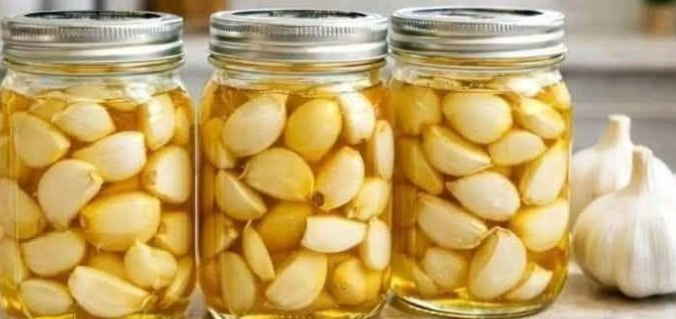
The golden jars in the image perfectly depict one of the oldest and most effective ways to preserve and consume garlic for its medicinal properties: Fermented Garlic Honey.
When you combine raw garlic with raw honey, the juices from the garlic extract into the honey, creating a liquid environment perfect for wild fermentation. The result is a sweet, savory, immune-boosting syrup that is fantastic for soothing sore throats, quieting coughs, or simply taking by the spoonful during cold and flu season.
Ingredients
- 1 cup fresh, raw garlic cloves, peeled and ends trimmed (about 3-4 whole heads)
- 1 cup raw, unpasteurized honey (must be raw for the natural bacteria and enzymes)
- 1 clean, sterilized glass mason jar (pint-sized works perfectly)
Instructions
- Prepare the Garlic: Peel your garlic cloves. To help release the beneficial allicin and the juices needed for fermentation, give each clove a very gentle “smash” with the flat side of a knife—do not crush them completely, just bruise them slightly.
- Fill the Jar: Place the bruised garlic cloves into your clean mason jar. You want the jar to be about half to two-thirds full of garlic.
- Pour the Honey: Pour the raw honey over the garlic cloves. Ensure all the cloves are completely submerged. Leave about an inch of headspace at the top of the jar, as the mixture may bubble up during fermentation.
- Stir and Seal: Give it a gentle stir to remove any trapped air bubbles, then loosely screw the lid onto the jar.
- The Fermentation Process: Place the jar in a cool, dark place (like a pantry cupboard). Every day for the first two weeks, you must “burp” the jar by unscrewing the lid to release built-up carbon dioxide gases. You will notice bubbles forming—this means it’s working! When you burp the jar, give it a quick flip upside down to make sure the garlic stays coated in honey.
- Patience: The honey will begin to thin out significantly as the juices leave the garlic. You can technically start eating this after a few days, but it is best left to ferment for at least a month. The garlic cloves will mellow out and darken over time.
Safety Note: Storing garlic in oil at room temperature can pose a risk of botulism. However, making garlic in honey is considered safe because raw honey has a high sugar concentration and naturally low, acidic pH, which prevents botulism spores from surviving or multiplying. Ensure you are using genuinely raw honey for this process to work correctly.