Cheesy Asparagus Casserole: The Vegetable Dish That Steals the Show
Let’s be honest: asparagus doesn’t always get the love it deserves. It’s often relegated to a quick steam or a hasty roast—a side dish, an afterthought, something to make the plate look green.
But this? This is different.
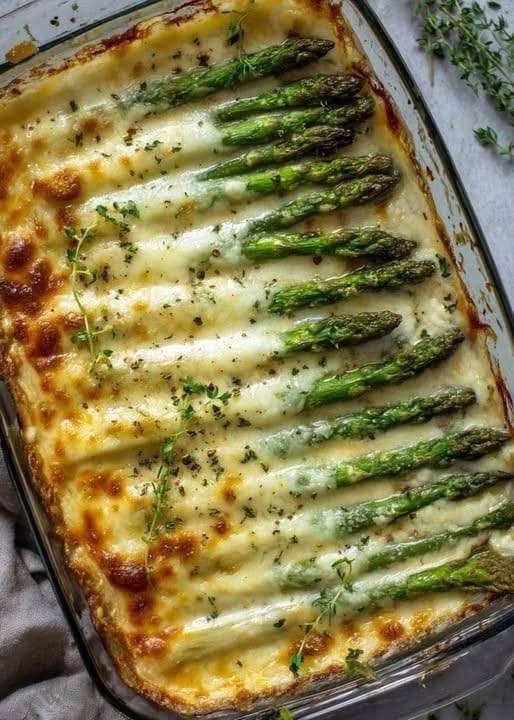
Imagine tender, bright green asparagus spears nestled in a rich, creamy cheese sauce, topped with a golden, buttery crunch that shatters with every bite. It’s elegant enough for Easter dinner, comforting enough for a Sunday supper, and simple enough for a Tuesday night when you want something that feels special.
This isn’t just a vegetable dish. It’s the vegetable dish—the one people ask for by name.
Why This Casserole Works
- Perfect texture contrast – Tender asparagus, creamy sauce, crispy topping
- Make-ahead friendly – Assemble in advance, bake when ready
- Holiday-worthy – Beautiful enough for Easter, Thanksgiving, or Christmas
- Weeknight-simple – Basic ingredients, straightforward method
- Customizable – Endless variations for cheese, herbs, and add-ins
- Vegetable convert – Even self-proclaimed asparagus skeptics ask for seconds
The Ingredients
For the Asparagus:
- 2 lbs fresh asparagus, woody ends trimmed
- 1 tablespoon olive oil
- ½ teaspoon salt
- ¼ teaspoon black pepper
For the Cheese Sauce:
- 3 tablespoons unsalted butter
- 3 tablespoons all-purpose flour
- 2 cups whole milk (warm)
- ½ cup heavy cream (optional, for extra richness)
- 1 teaspoon Dijon mustard
- ½ teaspoon garlic powder
- ½ teaspoon onion powder
- ¼ teaspoon nutmeg (freshly grated is magical)
- 1½ cups shredded sharp cheddar cheese
- ½ cup grated Parmesan cheese
- Salt and pepper to taste
For the Topping:
- 1 cup panko breadcrumbs
- ¼ cup grated Parmesan cheese
- 2 tablespoons unsalted butter, melted
- 2 tablespoons fresh parsley, chopped (optional)
- Zest of ½ lemon (optional, but brightens everything)
The Method: Roast, Sauce, Top, Bake
Step 1: Preheat and Prep
Preheat your oven to 400°F (200°C). Lightly grease a 9×13-inch baking dish or similar-sized casserole dish.
Step 2: Roast the Asparagus
- Trim the woody ends from the asparagus (bend a spear—it will snap naturally where the tender part begins).
- Spread asparagus on a baking sheet. Drizzle with olive oil and sprinkle with salt and pepper. Toss to coat.
- Roast for 8-10 minutes, until bright green and just tender but still with some bite. They’ll cook further in the casserole, so don’t overdo it.
- Remove from oven and set aside. Reduce oven temperature to 375°F (190°C).
Step 3: Make the Cheese Sauce
- In a medium saucepan, melt butter over medium heat.
- Whisk in flour and cook for 1-2 minutes, stirring constantly, until golden and bubbly. This cooks out the raw flour taste.
- Slowly whisk in warm milk (and cream, if using) until smooth. Continue whisking until the sauce thickens, 3-5 minutes.
- Remove from heat. Stir in Dijon mustard, garlic powder, onion powder, nutmeg, salt, and pepper.
- Gradually add cheddar and Parmesan, stirring until completely melted and smooth.
- Taste and adjust seasoning. The sauce should be rich, savory, and just slightly sharp.
Step 4: Assemble the Casserole
- Arrange the roasted asparagus in the prepared baking dish in a single layer (or slightly overlapping if needed).
- Pour the cheese sauce evenly over the asparagus, ensuring all spears are coated.
- If you want extra cheesiness (and why wouldn’t you?), sprinkle an additional ½ cup cheddar over the top.
Step 5: Make the Topping
In a small bowl, combine panko, Parmesan, melted butter, parsley, and lemon zest (if using). Mix until the crumbs are evenly moistened.
Sprinkle the topping evenly over the casserole.
Step 6: Bake
Bake at 375°F (190°C) for 20-25 minutes, until bubbly, golden, and the topping is crisp.
For extra browning, broil for 1-2 minutes at the end—watch carefully to prevent burning.
Step 7: Rest and Serve
Let the casserole rest for 5-10 minutes before serving. This allows the sauce to settle and makes serving easier.
Garnish with additional fresh parsley if desired.
Pro-Tips for Asparagus Casserole Perfection
1. Don’t Overcook the Asparagus Initially
The 8-10 minute roast should leave the asparagus with a slight bite. It will continue cooking in the sauce and emerge perfectly tender, not mushy.
2. Warm Milk Prevents Lumps
Cold milk added to a hot roux can create lumps. Warm the milk briefly in the microwave or a small saucepan before adding.
3. Grate Your Own Cheese
Pre-shredded cheese contains anti-caking agents that prevent smooth melting. Grating your own takes 2 minutes and transforms the sauce.
4. Fresh Nutmeg Makes a Difference
A pinch of freshly grated nutmeg is subtle but irreplaceable. It doesn’t taste like nutmeg—it just makes everything taste more like itself.
5. Don’t Skip the Rest
That 5-10 minute rest isn’t optional. It lets the casserole set up so you get clean servings, not a soupy mess.
6. Asparagus Thickness Matters
Thicker spears hold up better in a casserole. If yours are pencil-thin, reduce initial roasting time to 5-6 minutes.
Endless Variations
Add Bacon:
Sprinkle ½ cup cooked, crumbled bacon over the asparagus before adding sauce. Because bacon.
Mushroom-Asparagus Casserole:
Sauté 8 oz sliced mushrooms and add to the asparagus layer. Earthy and wonderful.
Prosciutto-Wrapped:
Wrap each asparagus spear in a thin slice of prosciutto before arranging in the dish. Salty, savory perfection.
Herbed Breadcrumb Topping:
Add 1 tablespoon fresh thyme or rosemary to the panko mixture.
Three-Cheese Sauce:
Use a blend of cheddar, Gruyère, and fontina for extra sophistication.
Lemon-Herb:
Add 1 tablespoon lemon zest to the sauce and 2 tablespoons fresh dill. Bright, fresh, perfect for spring.
Make It a Meal:
Add 2 cups cooked, diced chicken or ham to the asparagus layer. Serve with crusty bread for a complete dinner.
Gluten-Free:
Use gluten-free flour for the roux and gluten-free panko for the topping.
What to Serve Alongside
- Roasted chicken, ham, or fish – The casserole complements most proteins beautifully
- Mashed potatoes or rice – To soak up any extra sauce
- Crusty bread – For the same reason
- Simple green salad – With lemon vinaigrette to cut through the richness
- Grilled or roasted tomatoes – Bright, acidic contrast
Storage and Reheating
Refrigerator:
Store covered in the refrigerator for up to 3 days. The topping will soften, but the flavor remains.
Reheating:
- Oven: 350°F for 15-20 minutes, covered, until hot. Uncover for last 5 minutes to re-crisp topping.
- Microwave: Individual portions, 1-2 minutes (topping won’t be crisp).
Make-Ahead:
Assemble the casserole completely (without baking), cover, and refrigerate for up to 24 hours. Add 10-15 minutes to baking time. You can also prepare the sauce and roast the asparagus separately, then assemble just before baking.
Your Asparagus Casserole Questions, Answered
Can I use frozen asparagus?
Fresh is strongly preferred. Frozen asparagus releases significant water during cooking and will make the casserole watery. If you must use frozen, thaw completely, pat extremely dry, and reduce initial roasting time.
Can I use white asparagus?
Yes! White asparagus is thicker and more fibrous. Peel the lower half before roasting and increase initial roasting time by 5-7 minutes.
My sauce is lumpy. What went wrong?
Either the flour wasn’t cooked enough initially (raw flour taste + lumps) or the milk was added too quickly/cold. Next time, cook the roux longer and add warm milk slowly while whisking constantly.
Can I make this vegan?
Yes! Use plant-based butter, flour (already vegan), unsweetened plant milk, and vegan cheese alternatives. The texture will be slightly different but still delicious.
Can I double the recipe?
Absolutely. Use a 9×13 dish for a single batch; for double, use a larger dish (11×15) or two separate dishes. Increase baking time slightly.
Can I freeze this casserole?
Cream-based casseroles can sometimes separate upon thawing. If freezing, undercook slightly and expect some texture change. Best enjoyed fresh.