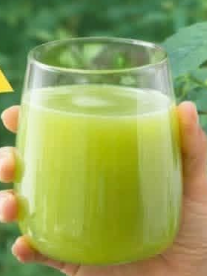
The Healing Power of Amaranth Juice: Ultimate Guide to Combating Inflammation, Respiratory Issues, and Pain
In an era where synthetic supplements and over-the-counter medications dominate the healthcare market, a growing number of people are turning their gaze back to nature. Ancient herbs and wild greens, once the cornerstone of traditional medicine, are reclaiming their rightful place in modern wellness routines. Among these botanical treasures, amaranth (often recognized in various cultures as a vibrant leafy green or grain-producing plant) stands out as a nutritional powerhouse.
When consumed as a fresh, cold-pressed green juice, amaranth transforms into a bioavailable elixir capable of addressing deep-seated bodily ailments. From soothing chronic back pain and clearing respiratory pathways to mitigating complex issues like brain inflammation, this simple juice holds remarkable therapeutic potential.
In this comprehensive guide, we will dive deep into the science-backed benefits of amaranth juice, explore its nutritional profile, and provide you with a step-by-step master recipe to integrate this healing drink into your daily life.
Understanding Amaranth: More Than Just a Weed
To fully appreciate the benefits of amaranth juice, it is essential to understand what this plant is. While many gardeners mistakenly classify certain wild species of amaranth (like pigweed) as mere weeds, ancient civilizations—including the Aztecs and Incas—revered amaranth as a sacred crop.
Amaranth belongs to the Amaranthaceae family. While its seeds are harvested as a gluten-free pseudo-cereal, its vibrant green and purple leaves are packed with an even higher concentration of liquid phytonutrients, vitamins, and minerals. Crushing these leaves into a concentrated juice unlocks a dense matrix of antioxidants that are rapidly absorbed by the human digestive system.
The Core Health Benefits of Amaranth Juice
The viral graphic circulating online highlights three major areas where this simple green juice can assist: Respiratory Problems, Back Pain, and Brain Inflammation. Let’s break down the physiological mechanisms behind these claims.
1. Easing Respiratory Problems
Chronic respiratory issues, such as asthma, bronchitis, and seasonal allergies, are fundamentally driven by inflammation and oxidative stress within the airways. Amaranth leaves are exceptionally rich in Vitamin C, Vitamin A, and beta-carotene—a trifecta of powerful antioxidants that protect the delicate endothelial lining of the lungs.
- Bronchodilation Support: Traditional herbal medicine utilizes amaranth extracts to relax smooth muscle tissues. Drinking the juice helps soothe irritated bronchial tubes, making breathing easier.
- Mucus Reduction: The natural astringent properties of raw amaranth juice assist in breaking down excess phlegm and mucus congestion in the respiratory tract.
- Immune Modulation: High zinc and vitamin content strengthens the lung’s defense mechanisms against airborne pathogens and environmental pollutants.
2. Alleviating Chronic Back Pain
Back pain is one of the leading causes of disability worldwide. While structural issues require physical therapy or medical intervention, a vast majority of daily back pain stems from localized muscle spasms, poor circulation, and systemic inflammation around the spine.
- The Magnesium Connection: Amaranth greens are loaded with bioavailable magnesium. Magnesium acts as a natural calcium channel blocker, allowing tense, overworked back muscles to finally relax.
- Bone Density Support: Packed with an unusually high amount of calcium and Vitamin K, amaranth juice provides the structural building blocks needed to support vertebral bone health and prevent degenerative spinal issues.
- Circulatory Boost: The naturally occurring nitrates in green juices improve blood flow, ensuring that oxygen and vital nutrients reach damaged tissues in the lower and upper back, accelerating the healing process.
3. Mitigating Brain Inflammation (Neuroinflammation)
Neuroinflammation is increasingly recognized by modern neurology as a root cause of brain fog, cognitive decline, chronic headaches, and long-term neurodegenerative conditions. The blood-brain barrier requires specific, highly concentrated antioxidants to neutralize free radicals.
- Flavonoid Protection: Amaranth contains high levels of polyphenols and flavonoids like quercetin and rutin. Quercetin is celebrated for its ability to cross the blood-brain barrier and downregulate pro-inflammatory cytokines in microglia cells (the brain’s immune cells).
- Combating Oxidative Stress: The brain consumes a massive amount of oxygen, making it highly susceptible to oxidative damage. The cellular protection offered by raw green juice helps keep brain tissue resilient.
- Enhanced Mental Clarity: Users who routinely consume nutrient-dense green juices often report a significant reduction in “brain fog,” noting improvements in memory retention, focus, and overall mood stability.
Nutritional Profile of Raw Amaranth Greens
To understand why this juice works so effectively, we must look at what a single glass delivers to your cells:
| Nutrient | Primary Function in the Body |
|---|---|
| Vitamin K | Crucial for blood clotting and binding calcium to the bone matrix. |
| Vitamin C | Rebuilds collagen in spinal discs and boosts respiratory immunity. |
| Quercetin | A potent anti-inflammatory compound that targets brain inflammation. |
| Magnesium | Relaxes smooth and skeletal muscles, reducing severe back spasms. |
| Iron & Folate | Enhances red blood cell production, improving oxygen delivery to all organs. |
Step-by-Step Instructions: How to Make Healing Amaranth Juice
To reap the maximum medicinal benefits, the juice should be consumed fresh, raw, and ideally on an empty stomach in the morning. This ensures that the digestive tract absorbs the micro-nutrients without interference from heavy solid foods.
Equipment Needed:
- A high-quality masticating juicer (preferred for preserving enzymes) OR a high-speed blender and a fine-mesh nut milk bag.
Ingredients:
- 2 cups of fresh, thoroughly washed green amaranth leaves (ensure they are organic and pesticide-free).
- 1 medium cucumber (adds hydration and provides a mild, refreshing base).
- 2 stalks of celery (rich in organic sodium to aid nervous system conductivity).
- 1/2 green apple (optional, purely to cut down the earthiness and add a touch of natural sweetness).
- 1/2 inch of fresh ginger root (adds a powerful secondary anti-inflammatory punch).
- 1/2 freshly squeezed lemon (preserves the green color and enhances iron absorption via Vitamin C).
Step-by-Step Preparation:
- Sanitize the Greens: Thoroughly rinse the amaranth leaves in cold water. You can submerge them in a water-and-vinegar bath for 5 minutes to ensure all wild residues, dirt, or small insects are completely removed.
- Prep the Produce: Chop the cucumber, celery, and green apple into sizes appropriate for your specific juicer or blender. Peel the skin off the ginger if it is not organic.
- Juicing Method: * If using a Juicer: Alternate feeding the amaranth leaves with the high-water-content ingredients (like cucumber and apple) to maximize the yield of the leafy green extract.
- If using a Blender: Place all ingredients into the blender pitcher along with 1/2 cup of pure filtered water. Blend on high speed for 60 seconds until completely pulverized. Pour the green slurry into a nut milk bag and firmly squeeze the liquid out into a glass container, discarding the dry fiber.
- Finish and Serve: Stir in the fresh lemon juice. Drink immediately to prevent oxidation and nutrient degradation.
Pro-Tip: If you find the flavor of pure amaranth too earthy or bitter at first, increase the amount of green apple or add a few mint leaves. Over time, as your palate adapts, reduce the fruit content to maximize the therapeutic green ratio.
Precautions and Important Health Considerations
While amaranth juice is incredibly beneficial for the vast majority of individuals, nature’s medicine is potent, and certain precautions should be observed:
- Oxalate Content: Like spinach and beet greens, amaranth leaves contain naturally occurring oxalates. If you have a history of calcium-oxalate kidney stones, consult your physician before consuming raw green juices daily.
- Vitamin K Interactions: Because of its exceptionally high Vitamin K content, individuals taking pharmaceutical blood thinners (such as Warfarin) need to maintain a consistent daily intake of greens rather than introducing sudden, massive amounts, as it can alter medication efficacy.
- Sourcing Matter: Never harvest wild amaranth from roadsides, industrial areas, or chemically treated lawns, as the plant is an efficient bio-accumulator and can draw heavy metals or pesticides from contaminated soil.
Conclusion: Embrace Nature’s Pharmacy
The simplicity of a single glass of green juice yielding profound effects on respiratory, spinal, and neurological systems highlights the true genius of herbal nutrition. By integrating fresh amaranth juice into a balanced lifestyle, you provide your body with the cellular tools it needs to reduce pain, soothe chronic inflammation, and breathe freely.
Nature has already provided the ingredients; all you have to do is take the step, press the juice, and let your body heal from the inside out.