The Ultimate Guide to Tapioca and Sago Face Masks: The Ancient 2-Ingredient Secret to Soft, Wrinkle-Free Skin
In an era dominated by multi-step clinical skincare routines, expensive chemical treatments, and luxury synthetic creams, a major shift is happening in the global beauty landscape. Millions of people are turning their backs on commercial cosmetics and looking toward time-tested, ancestral wisdom. Viral social media posts, like the one featured in image_78294b.jpg, showcase an undeniable trend: everyday kitchen ingredients being transformed into highly effective anti-aging treatments. The text in image_78294b.jpg proclaims a universal truth that traditional healers have known for centuries—you do not need a massive budget to achieve soft, youthful, and wrinkle-free skin.
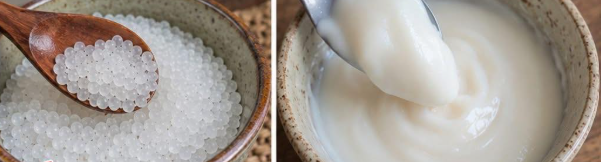
The image highlights a smooth, white, starchy cream made from small, translucent pearls. These pearls are typically sago or tapioca, two incredible natural ingredients derived from root vegetables and palm trees. When boiled and blended with a single complementary liquid, they form a deeply hydrating, collagen-supporting gel mask that acts as a natural skin-tightener.
In this comprehensive, professional SEO guide, we will dive deep into the biological mechanics of skin aging, the distinct structural profiles of tapioca and sago, the profound scientific benefits of starchy face masks, and provide a step-by-step master recipe designed to give you flawless, youthful skin without the commercial price tag.
Understanding the Secret: What are Tapioca and Sago Pearls?
To understand how the remedy shown in image_78294b.jpg works, we must first look at the unique physical properties of the starches involved. While many western consumers know these pearls primarily as a dessert or the “boba” in bubble tea, their topical skin application has a long history in Asian, African, and South American traditional beauty rituals.
The Dynamic Duo of Natural Beauty Starches
- Tapioca Pearls: Extracted from the storage roots of the Cassava plant (Manihot esculenta). Tapioca is a pure starch containing high levels of complex carbohydrates, minerals, and water-binding elements.
- Sago Pearls: Derived from the spongy center, or pith, of various Tropical Sago Palms (Metroxylon sagu). Sago is physically very similar to tapioca but has slightly different trace mineral levels.
When either of these pearls are exposed to hot water, they undergo a process called starch gelatinization. The starch granules absorb water, swell up, and break open, turning into a highly viscous, smooth, and cooling paste. This exact paste, illustrated beautifully in the spoon closeup within image_78294b.jpg, provides an occlusive barrier that infuses moisture directly into dehydrated skin cells while tightening localized fine lines as it dries.
Why Cheap Complex Starches Outperform Expensive Commercial Creams
The beauty industry convinces consumers that synthetic chemical formulations are superior because they are engineered in a lab. However, the human skin barrier is highly sensitive and selectively permeable. Here is why basic two-ingredient starch masks are highly valued by skin minimalists:
1. Eliminating Toxic Additives and Fillers
The average high-end department store anti-aging cream contains over thirty separate ingredients. Many of these are synthetic emulsifiers, parabens, heavy artificial fragrances, and chemical stabilizers that do absolutely nothing to improve skin quality; they simply extend the product’s shelf life. These chemicals frequently cause micro-inflammation within the dermis, accelerating cellular breakdown and leading to the exact wrinkles you are trying to fix. A clean, natural mixture eliminates this chemical burden entirely.
2. The Power of Natural Occlusion
A major factor in wrinkle formation is Transepidermal Water Loss (TEWL). When your skin loses moisture to the surrounding environment, it deflates like a dry sponge, making deep lines and creases look far more pronounced. The dense carbohydrate structure of a gelatinized tapioca or sago mask creates a temporary, breathable, protective layer over your skin. This locks in vital moisture, allowing your underlying skin cells to absorb hydration deeply and replump themselves from within.
The In-Depth Health and Anti-Aging Benefits of Starch-Based Masks
Let us analyze the direct physiological and dermatological benefits of using this traditional starchy cream as a regular part of your skincare routine.
1. Deep Cellular Hydration and Skin Plumping
The primary driver behind the claim in image_78294b.jpg that the skin becomes instantly “soft” is the heavy concentrations of water-binding starch molecules. As the gelatinized tapioca or sago mask sits on your face, it transfers water molecules straight into the stratum corneum (the outermost layer of the skin). This immediate influx of moisture temporarily plumps the epidermis, smoothing out surface creases and giving the face a youthful, bouncy texture.
2. The Natural Lifting and Tightening Effect
As a sago or tapioca mask begins to dry on your face, the starch chains contract slightly. This causes a gentle, noticeable tightening and firming sensation across the skin. Unlike commercial masks that rely on harsh synthetic polymers to create this effect, natural starches lift sagging skin gently without causing microscopic tearing or disturbing your delicate skin barrier.
3. Exfoliation and Dark Spot Brightening
Tapioca and sago contain gentle, naturally occurring organic acids and compounds that loosen the cellular glue holding dead, dull skin cells to the surface. When you wash the mask off using circular motions, the smooth texture of the gel acts as an ultra-mild, physical exfoliant. Furthermore, the presence of trace elements helps inhibit excessive melanin production, gradually fading hyperpigmentation, sun spots, and post-acne blemishes over time.
4. Excessive Sebum Regulation and Pore Refinement
If you struggle with an oily complexion, large pores, or hormonal acne, this mask is highly beneficial. The porous nature of raw tapioca starch allows it to gently draw out and absorb excess oils, sebum, and deep-seated dirt from within the pores without stripping away the natural oils your skin needs to stay resilient. The result is a refined, matte, and highly balanced complexion.
5. Soothing Inflammation and Redness
Starch preparations have been used medically for generations to soothe sunburns, rashes, and inflammatory skin conditions like eczema and rosacea. The natural cooling sensation of a gelatinized sago mask instantly lowers skin surface temperature, calming down overactive blood vessels and dramatically reducing redness and facial irritation.
The Chemistry of Skin Aging: How Starches Counteract Wrinkles
To appreciate the long-term benefits of this minimalist skincare approach, it helps to look at the structural components of the skin matrix:
$${\text{Skin Collagen + Elastin}} \xrightarrow{\text{UV Rays \& Pollution}} \text{Oxidative Degradation (Wrinkles)}$$
To prevent this destructive process, the skin requires topical protection, antioxidants, and adequate structural hydration.
The Role of Amino Acids and Copper
Tapioca contains subtle trace amounts of Copper and essential amino acids. Copper is a foundational cofactor required by the body to produce Lysyl Oxidase, an enzyme that cross-links collagen and elastin fibers in the dermis. By supporting these structural proteins topically and optimizing dermal hydration, a natural starch mask helps slow down structural sagging and prevents fine lines from deepening into permanent wrinkles.
How to Prepare the Viral 2-Ingredient Skin-Softening Mask
To get the exact velvety, rich texture displayed in image_78294b.jpg, you must follow a careful preparation process. Simply throwing raw pearls onto your face will not work; the starch must be fully activated through gentle heating.
The Master Formulation
Ingredients:
- Active Starch: 2 tablespoons of high-quality Tapioca or Sago pearls (or pure organic tapioca starch powder).
- The Liquid Catalyst: 1 cup of filtered water, organic green tea, or pure rose water.
- The Second Custom Ingredient (Pick One based on your skin type):
- For Dry/Aging Skin: 1 teaspoon of raw organic honey or cold-pressed sweet almond oil.
- For Oily/Acne-Prone Skin: 1 tablespoon of fresh aloe vera gel or plain, unsweetened yogurt.
Step-by-Step Instructions:
- Hydrate the Pearls: If you are using whole pearls like those seen in image_78294b.jpg, place them in a small bowl with half a cup of water and let them soak for about 30 minutes to soften up their structural core. If you are using raw starch powder, skip this step.
- Heat and Gelatinize: Pour the softened pearls (or powder) along with one cup of your chosen liquid catalyst (water, green tea, or rose water) into a small saucepan. Place it over low heat.
- Stir Continuously: Stir the mixture constantly using a wooden spoon. Within 3 to 5 minutes, you will notice the translucent pearls completely dissolving, and the liquid will rapidly thicken into a glossy, opaque, thick white cream.
- Incorporate the Second Ingredient: Once the mixture reaches a smooth paste-like consistency, remove the pan from the heat. Allow it to cool down to a warm, skin-safe temperature, then vigorously stir in your chosen second ingredient (honey, almond oil, aloe, or yogurt) until completely blended.
- Storage: Transfer your fresh mask into a clean glass jar. Since this recipe contains absolutely no synthetic preservatives, keep it stored in the refrigerator and use it up within 5 days.
Application Protocol for Maximum Dermatological Results
To ensure your skin absorbs every ounce of nutrition from this natural treatment, follow this professional application protocol twice a week:
[Cleanse Face] ➔ [Steam Treatment] ➔ [Apply Starch Mask] ➔ [Relax 20 Mins] ➔ [Rinse & Lock Moisture]
1. Thorough Cleansing
Always begin by washing your face with a gentle, sulfate-free cleanser to remove surface dust, makeup, and excessive oils. Applying a mask over unwashed skin can trap impurities inside your pores.
2. Gentle Steam Treatment
For optimal results, press a clean, warm, damp towel to your face for 60 seconds before applying the mask. The gentle heat relaxes facial muscles and softens up your pores, making it incredibly easy for the mask’s nutrients to absorb.
3. Application
Using clean fingers or a dedicated flat cosmetic brush, apply a thick, even layer of the warm starch cream to your face and neck. Avoid the immediate eye area and your lips.
4. Duration and Relaxation
Leave the mask on your face for 15 to 20 minutes. Lie down flat during this time to allow the contracting starch molecules to pull your skin upwards symmetrically, maximizing the natural lifting effect. As the mask dries, minimize facial expressions.
5. Removal and Moisture Locking
Splash your face with lukewarm water to soften the dried starch layer. Gently massage your face in upward circles to naturally exfoliate dead skin, then rinse thoroughly. Immediately pat your skin dry with a soft towel and lock in the deep hydration by applying a few drops of a pure botanical oil, such as jojoba or argan oil.
Designing Your Strategy: Customizing the 2-Ingredient Formula
To help you choose the best variations of this simple recipe, use this comprehensive compatibility table based on your specific skincare goals:
| Skin Type / Concern | Ingredient 1 (Base Starch) | Ingredient 2 (The Booster) | Primary Target Result |
| Deep Wrinkles / Mature | Tapioca Paste | Sweet Almond Oil or Vitamin E | Maximum lipid barrier repair and wrinkle plumbing |
| Dull / Hyperpigmented | Sago Paste | Fresh Lemon Juice or Raw Honey | Accelerated skin cell turnover and hyperpigmentation fading |
| Acne-Prone / Oily | Tapioca Paste | Pure Aloe Vera or Organic Neem Powder | Deep oil absorption, pore reduction, and antibacterial defense |
| Dehydrated / Flaky | Sago Paste | Organic Plain Yogurt (Lactic Acid) | Gentle alpha-hydroxy acid exfoliation and intense hydration |
Important Precautions and Potential Side Effects
While home remedies are incredibly safe compared to synthetic cosmetics, you must always approach new skincare treatments responsibly.
1. Perform a Critical Patch Test
Before spreading the freshly made cream over your entire face, always execute a localized patch test. Apply a quarter-sized amount of the cooled mixture to the inside of your forearm or right beneath your jawline. Leave it on for 20 minutes and rinse. Wait 24 hours—if you experience any redness, itching, or swelling, do not apply it to your face.
2. Temperature Management
Never apply the starch cream while it is hot straight from the stove. Because starches hold heat exceptionally well in their molecular matrices, they can easily cause severe thermal burns to sensitive facial tissues. Always ensure the paste has cooled down to a comfortable, barely warm temperature.
3. Avoid Over-Drying
Do not leave a starch-based mask on your face for hours or overnight. Once the mask dries completely and turns chalky, it can begin drawing essential moisture out of your skin if left on for too long. Stick strictly to the recommended 20-minute window for optimal results.
Frequently Asked Questions (FAQs)
Can I use store-bought cornstarch instead of tapioca or sago?
While cornstarch can absorb oils, it lacks the unique skin-softening properties, trace minerals, and deep gelatinous elasticity found in tapioca and sago pearls. For true anti-aging benefits and to get the smooth texture shown in image_78294b.jpg, stick to tapioca or sago.
How often should I use this natural face mask?
For normal, dry, or aging skin, using this treatment 2 to 3 times per week is ideal. If you have extremely oily skin, you can use it every other day to help naturally regulate sebum production and refine your pores.
Is this recipe suitable for men?
Absolutely. Men’s skin is typically thicker and produces more sebum than women’s skin, making it highly receptive to the deep pore-cleansing, oil-absorbing, and soothing benefits of a gelatinized tapioca mask. It is also an exceptional post-shave balm to calm razor burn.
Can I save the leftovers for later use?
Yes, you can store any leftover paste in an airtight glass jar in your refrigerator for up to 5 days. Because it thickens up significantly when cold, simply mix in a few drops of warm water or rose water to restore its creamy texture before your next application.
Conclusion: The Ultimate Skincare Revolution is Simple
The timeless message illustrated by the radiant woman in image_78294b.jpg is a powerful reminder that glowing health and flawless skin do not require chemical complexity or financial strain. Nature provides everything our skin needs to stay resilient, soft, and beautifully youthful.
By turning tapioca or sago pearls into a nutrient-dense, deeply hydrating gel mask, you give your skin an intense infusion of water-binding complex carbohydrates and essential trace elements. Combine this minimalist treatment with a healthy lifestyle, consistent sun protection, and proper hydration, and you will discover the ultimate beauty secret: true radiance is simple, clean, and beautifully natural.