The Missing Vitamin: Why Your Legs and Bones Might Be Hurting More Than They Should
Introduction: The Silent Deficiency
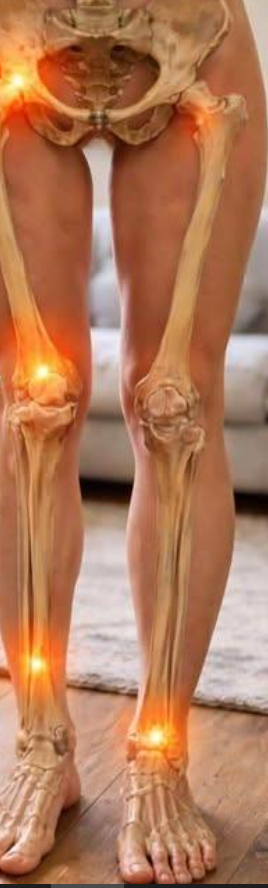
We often ignore a dull ache in our legs or a stiff feeling in our joints, chalking it up to “getting older” or a long day on our feet. However, as shown in image_a79f22.jpg, these pains are often your body’s way of screaming for a specific nutrient it’s missing.
When your bones hurt and your legs feel heavy or weak, it’s rarely just fatigue. More often than not, it is a nutritional gap that—if left unchecked—can lead to long-term mobility issues. Today, we are diving into the “bone-building” vitamin that acts as the glue for your skeletal system.
The Science: What Is Your Body Missing?
The golden capsules you see in image_a79f22.jpg typically represent Vitamin D3, often called the “Sunshine Vitamin.” While we hear about it a lot, most people don’t realize that without it, your body literally cannot use the calcium you eat.
How Vitamin D3 Works in Your Bones:
- Calcium Absorption: You could drink a gallon of milk, but without Vitamin D, that calcium won’t reach your bones; it just flushes through your system.
- Muscle Function: D3 isn’t just for bones. It supports the muscle fibers in your legs, helping to prevent the “heavy leg” feeling and random cramping.
- Inflammation Control: It helps regulate the body’s inflammatory response, which is why a deficiency often feels like deep, aching pain in the joints and shins.
Signs You’re Running Low
If you recognize the “glow” of pain highlighted in the joints of the skeleton in image_a79f22.jpg, you might be experiencing these common deficiency symptoms:
- Lower Back and Bone Pain: A deep, throbbing ache in the bones rather than just the muscles.
- Muscle Weakness: Difficulty climbing stairs or feeling like your legs are “giving out.”
- Frequent Stress Fractures: Bones that feel brittle or take a long time to heal from minor injuries.
- Chronic Fatigue: Feeling exhausted even after a full night’s sleep.
How to Refill Your “Vitamin Tank”
To stop the pain shown in image_a79f22.jpg, you need a multi-angled approach to getting this essential nutrient back into your system.
1. Smart Supplementation
For many living in cooler climates or working indoors, food isn’t enough. High-quality D3 softgels (like the ones on the table in image_a79f22.jpg) are the most efficient way to raise your levels quickly. Pair them with Vitamin K2 to ensure the calcium goes into your bones and not your arteries.
2. Natural Sources
- Sunlight: 15–20 minutes of direct midday sun is the best natural source.
- Fatty Fish: Salmon, mackerel, and sardines are packed with D3.
- Egg Yolks: A simple, everyday way to add a bit more to your diet.
Summary Table: Bone Health Essentials
| Nutrient | Primary Role | Best Source |
| Vitamin D3 | Absorbs Calcium | Sunlight / Softgels |
| Calcium | Bone Structure | Dairy / Leafy Greens |
| Vitamin K2 | Directs Calcium to Bones | Fermented Foods |
| Magnesium | Supports Vitamin D | Nuts / Seeds / Spinach |
Conclusion: Don’t Ignore the Signs
The pain highlighted in image_a79f22.jpg doesn’t have to be your “normal.” By addressing the underlying vitamin deficiency, you can often find relief that topical creams or painkillers can’t provide. Listen to your body—if your legs and bones are hurting, it might just be time to let the sunshine in (or grab a high-quality supplement).